
DGA for Renewables
A new NETA study on the differences in dissolved gas analysis
As far as infrastructure goes, an example of new equipment being integrated on the fly can be found in the DGA monitoring being applied to renewable energy transformers versus their traditional counterparts.
Dissolved Gas Analysis (DGA) is a diagnostic method that measures the type and concentration of gases that form when electrical or thermal stress degrades transformer oil and solid insulation.
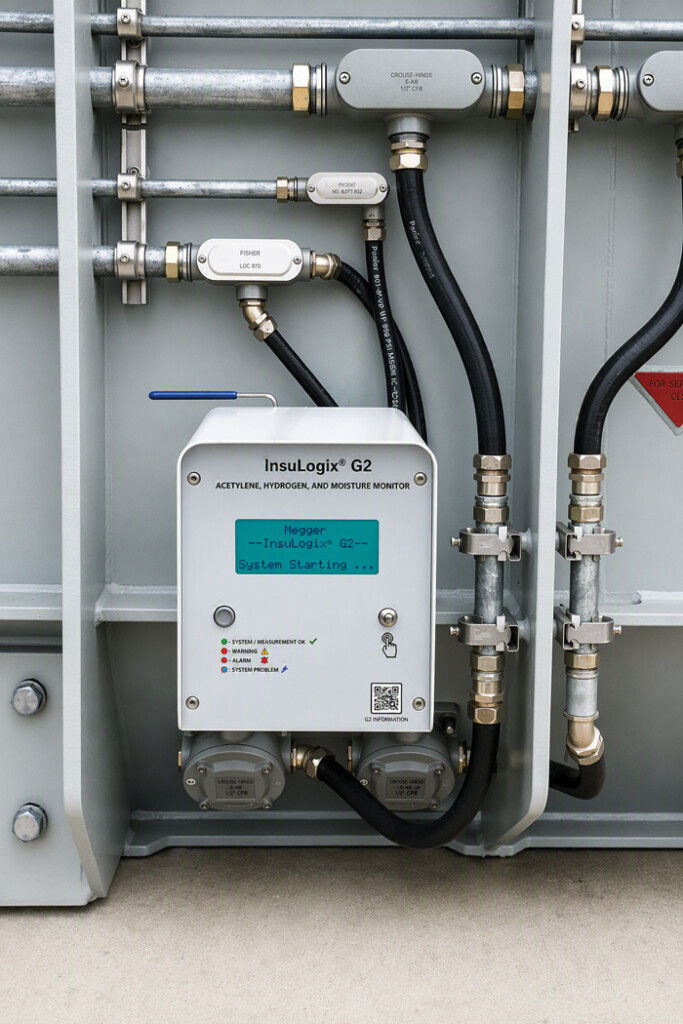
"Renewable-energy transformers typically involve more thermal, electrical, and mechanical stress than conventional transformers during operation, which can yield elevated dissolved gas levels and accelerated insulation aging," according to a Rate-of-Change analysis published by NETA (InterNational Electrical Testing Association) August 16. "While traditional DGA interpretation based on gas concentrations, ratios, and fault-gas patterns remains valuable, these methods may be less effective in renewable-energy environments."
According to that analysis, continuous DGA monitoring, combined with gas RoC analysis, provides earlier visibility of developing faults and abnormal operating stresses. By combining RoC and absolute gas concentration thresholds, asset owners can improve fault detection sensitivity while reducing nuisance alarms. Rather than replacing conventional diagnostic techniques, RoC-based monitoring enhances condition assessment and supports more effective asset management.


Comments